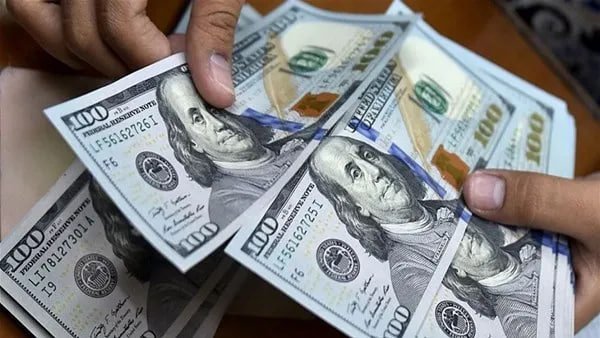
With the acceleration of economic crises and trade tensions globally, questions arise about financial resilience and a country's ability to withstand the volatility of global markets. One of the safety valves and first lines of defense is the foreign exchange reserves a country holds. World Bank data even measures these reserves by the number of months of import coverage.
Countries' policies regarding reserve formation and reliance vary, depending on their exposure to different risks, population size, import volume, international relations, and the international standing of their currency.
What if Egypt paid off all its debts? An unprecedented scenario for a debt-free economy.
In the Arab world, the picture begins in Riyadh, where Saudi Arabia tops the list with massive reserves approaching $463 billion. This figure is not merely a financial indicator; it reflects a strong oil-based economy and a strategic vision that seeks to diversify income sources through mega-projects within "Vision 2030."
Meanwhile, the UAE occupies second place, amidst rapid growth and strong reserve coverage of approximately seven months, coupled with a balanced asset management policy that considers both return and risk.
Iraq Makes a Surprise Significance
In October 2025, reserves reached $256.9 billion (AED 991.6 billion), according to Central Bank data.
The surprise comes from Baghdad. Despite years of turmoil, the Central Bank of Iraq holds reserves of $112 billion, thanks to oil exports, which remain the backbone of its economy.
In November 2025, Iraq's foreign currency reserves reached approximately $112 billion, according to data from the Central Bank of Iraq. These levels represent one of the highest reserves in the region after Saudi Arabia and the UAE, covering more than 15 months of imports. This gives Iraq a significant safety net despite internal political and economic challenges.
Libya Ranks Fourth in the Arab World with Large Foreign Currency Reserves
From the Gulf to the heart of Africa, despite political divisions, Libya maintains its fourth-place ranking in the Arab world with foreign currency reserves approaching $99 billion, covering approximately four years of imports.
Oil and gas exports define the features of economic power, as Arab countries' finances seize their windfall by increasing reserves and managing liquidity during periods of recession.
Iraq ranks third in the Arab world in foreign currency reserves with $112 billion.